
If you play competitive shooters on a small budget, the best budget gaming headset for footsteps in the UK is rarely the one with the biggest numbers on the box. Footsteps and gunfire are easy to place when a headset reproduces left and right accurately, keeps bass from covering the quieter sounds, and stays comfortable for a long session.
Amazon UK prices move often, so this guide is built on price bands and platforms. For each band it describes what to shortlist and what to avoid, so you can judge any listing yourself, today or in six months.
What makes a headset good for directional audio (and what 7.1 surround on the box means)
Nearly every budget gaming headset has one driver per ear, which makes it a stereo headset. “7.1 surround” on the packaging almost always means virtual surround: software, usually in a USB dongle or a driver app, that processes the signal to imitate speakers placed around you. Headsets with several real drivers per ear exist, but they are rare and rarely cheap.
Virtual surround can make a sound feel wider, but it often adds echo and blurs whether a sound is in front of you or behind you. For competitive play, a clean stereo signal that your game and platform process well usually beats a heavy 7.1 effect.

Three things decide how useful a headset is for locating enemies:
- Imaging: how precisely a sound sits in a specific position. A footstep at your left shoulder should not smear towards the centre.
- Tuning: footsteps live in the upper mids and treble. A headset that pushes bass hard makes explosions feel big while hiding the quieter detail.
- Soundstage: how far outside your head the sound seems to be. Closed-back gaming headsets are limited here, so treat it as a bonus.
How to judge budget headsets for footsteps: soundstage, imaging, tuning and comfort
You do not need a lab to check these. Judge a headset on the following, in this order.
- Tuning first. Read buyer reviews for words like “muddy”, “boomy” or “bass heavy”, and treat them as warnings. Comments saying footsteps or reloads are clear and easy to place are worth more than comments about “immersion”. If an independent site has published a frequency response graph for the model, a fairly even line beats a big bass hump.
- Imaging second. Once the headset arrives, load a practice range or custom match and have a friend or bot move around you. Close your eyes and point to where the sound comes from. A left-right channel test video does a rougher version of the same job.
- Soundstage third. Check whether sounds seem to come from slightly outside the earcups or from inside your skull.
- Comfort last, but not least. A headset that clamps hard or runs hot gets taken off, or worn badly with a poor earpad seal, and both change how it sounds.
Check the return window on the listing before you buy. A quick positional test in the first day or two is the cheapest quality control you have.
The best headsets under £30 for hearing where shots come from
Under £30, the aim is a plain, wired, stereo headset. Spend nothing on features that add cost without improving positional sound.
What to shortlist:
- A 3.5mm wired connection. It works on PC, PS5 and Xbox, and it adds no processing delay.
- Stereo drivers with a modest, balanced tuning. Be cautious of listings that lead with bass, RGB lighting or “shaking” effects.
- Soft, closed earcups that seal comfortably. A good seal helps both bass control and isolation from your room.
What to avoid:
- USB-only 7.1 headsets if you play on console. Many are built around PC software and may not work properly on PS5 or Xbox. Check the platform list on the listing.
- Listings with very few reviews and a long list of claims.
At this price, it is also worth considering a basic pair of ordinary wired headphones with a separate clip-on or desk microphone. Headphones are not tuned for explosions and often give cleaner detail, though you give up a built-in mic and convenience.
The best headsets between £30 and £60 for competitive play
This band is where a headset can combine decent imaging with useful extras. The extra money should buy build quality, comfort and tuning, and a bigger sticker on the box is not a reason to pay it.
Shortlist headsets with:
- Memory foam earpads that seal well and stay comfortable through long sessions.
- A detachable or flip-up microphone, so you can remove it or replace it later.
- Both 3.5mm and USB options, which gives you flexibility if you change platform.
- Reviews and measurements that describe a balanced sound and mention footsteps or positioning specifically.
Do not assume that 50mm drivers beat 40mm drivers. Driver size says little about tuning or imaging, and a well-tuned smaller driver can place sound better than a loud, bass-heavy larger one.
If a headset in this band includes a USB sound card with its own 7.1 mode, treat that mode as optional. You should be able to switch it off and still get a good stereo signal. If you cannot turn it off, look elsewhere.
Wired or wireless: what you give up at a low price
At a low price, wired is the safer choice for positional audio. A budget wireless headset has to spend part of its price on a battery, a radio and a charger, and that money comes out of the drivers and tuning. Battery life and a mic that picks up compression artefacts are also common weak spots.
If you do want wireless, a headset that connects with a 2.4GHz USB dongle generally has low enough delay for gaming. Bluetooth is a poor fit for competitive shooters because it adds more delay, and neither PS5 nor Xbox accepts Bluetooth headsets directly. A wireless headset on those consoles needs its own dongle, or in Xbox’s case Xbox wireless support.
A headset that also works wired over 3.5mm is a good safety net, because it keeps working after the battery runs flat.
PC, PS5 or Xbox: which headsets work properly on your platform
Platform support matters as much as the headset itself.
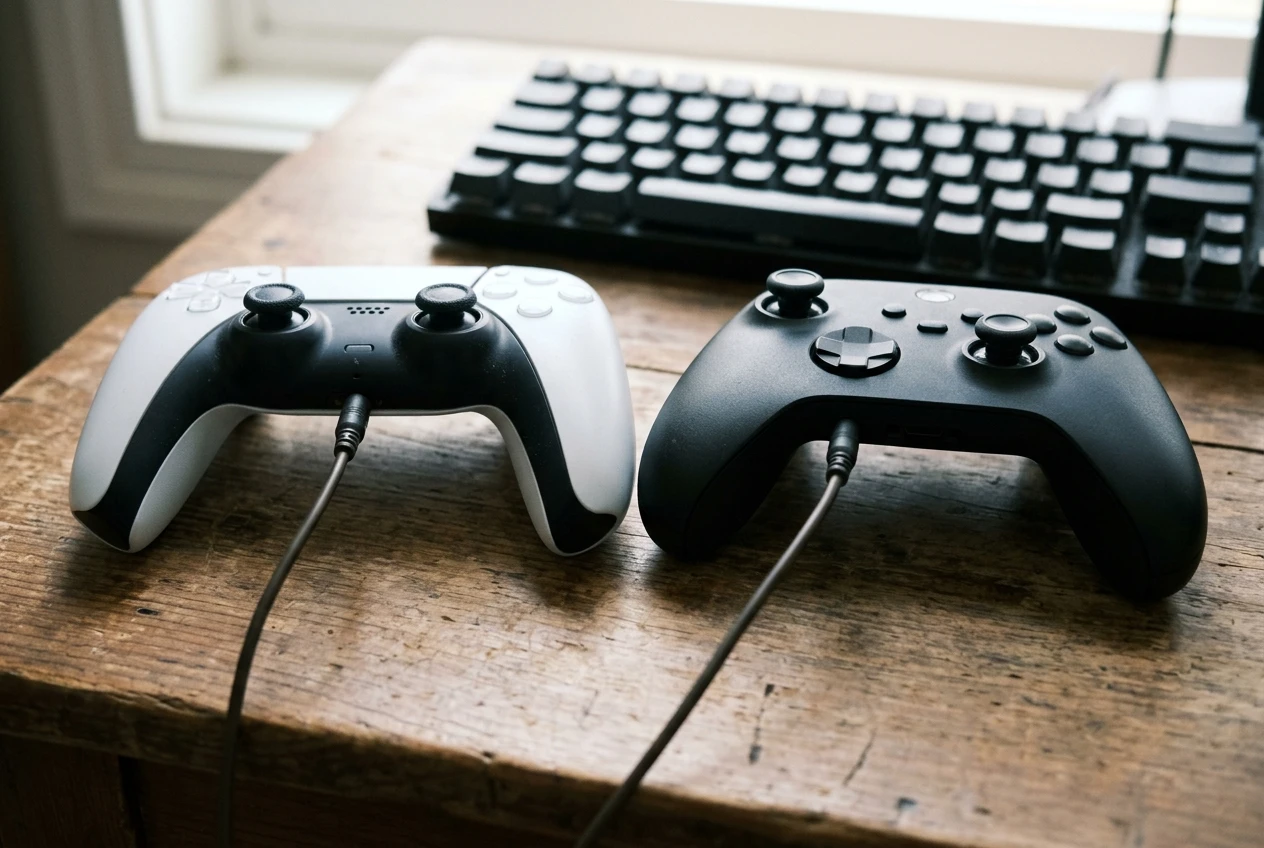
- PC: The most flexible. 3.5mm and USB headsets both work, and Windows includes a free spatial audio option called Windows Sonic. Dolby Atmos and DTS Headphone:X for headphones are paid extras on Windows, so test the free option first.
- PS5: Wired 3.5mm headsets plug into the DualSense controller. USB headsets and dongles also work if the product states PS5 support. The console’s own 3D audio is designed to work with headphones, so you do not need to pay extra for a 7.1 headset.
- Xbox: Wired 3.5mm headsets plug into the controller. Wireless headsets generally need to be built for Xbox. Windows Sonic is built in, while Dolby Atmos and DTS require a licence, sometimes bundled with a headset.
Whichever platform you play on, check the compatibility list on the Amazon UK listing before you buy, not the headline on the box. A headset marked “for PC” can be wired, but it may not give you a working mic on console.
Quick settings that sharpen positional audio on any headset
A few changes cost nothing and can improve the headset you already own:
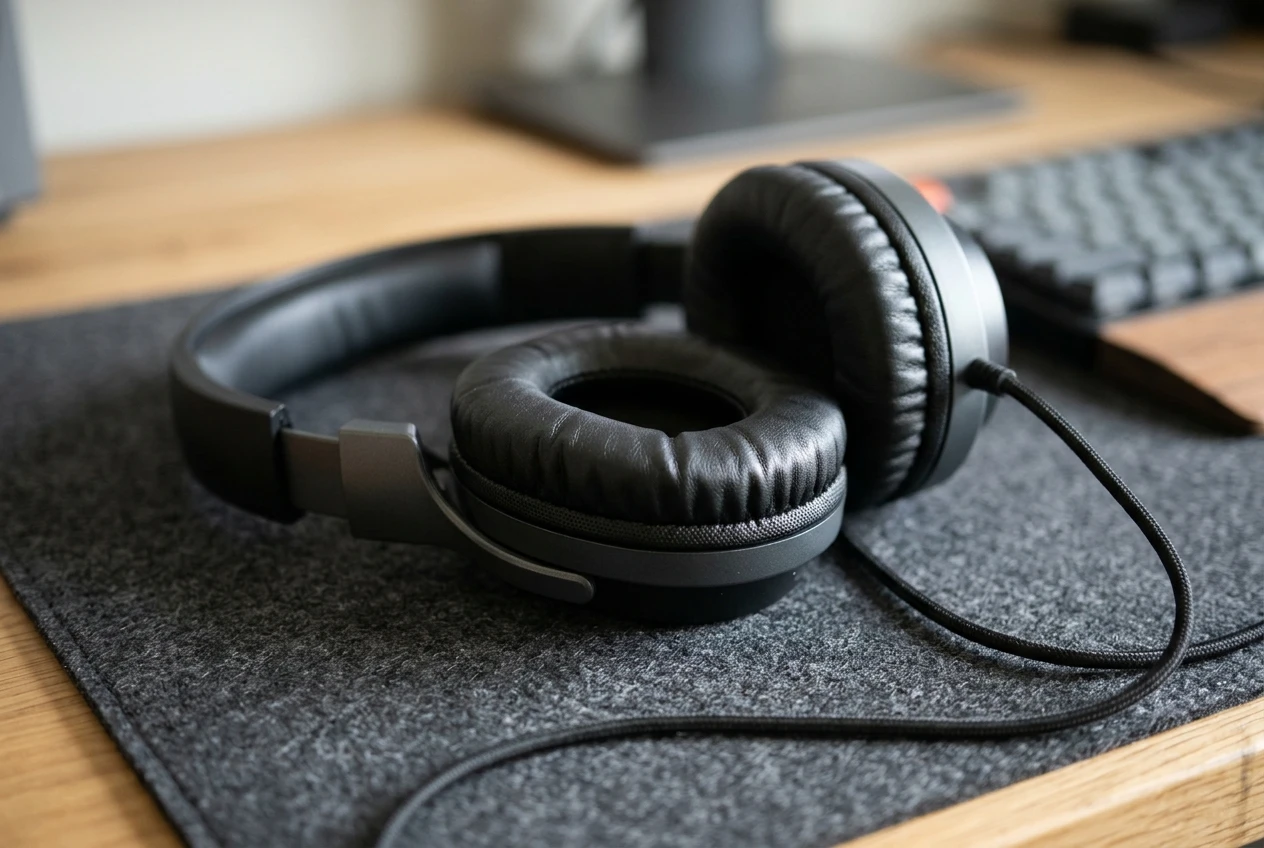
- Turn off virtual 7.1 and test stereo first. Then compare with your platform’s own spatial audio option (Windows Sonic, PS5 3D audio, Xbox’s headset format) and keep whichever lets you point to sounds more accurately. Do not run two virtual surround layers at once, since stacking them smears positions.
- Switch off bass boost and “enhancement” effects in your audio driver or headset app. Keep the EQ flat or slightly favouring treble.
- Lower music and menu volume in the game’s audio settings and keep effects loud. If the game offers a headphone or night-mode mix, try it.
- Set a sensible overall volume. Very loud audio tires your ears and hides detail. A moderate level is easier to listen to for several rounds.
- Check the fit. Make sure the earpads sit fully around your ears, and move glasses arms so they do not break the seal.
Which headset to buy for your budget: a short decision table
Budget What to buy Best for Under £30 Wired 3.5mm stereo headset with balanced tuning All three platforms £30 to £45 Wired headset with memory foam pads and a detachable mic PC and consoles, with 3.5mm or USB £45 to £60 Wired headset with positive reviews on footsteps, or a headset with a 2.4GHz dongle that also works wired PC, plus PS5 or Xbox if compatibility is confirmed
Pick by budget
Under £30, buy a plain wired stereo headset. Between £30 and £45, pay for comfort and a detachable mic. Between £45 and £60, look for reviews that mention footsteps and check the platform compatibility list. Whatever you choose, check the current price of your shortlisted headset on Amazon UK before buying, because prices there change often.
For the rest of your gear, from desk to controller, read How To Build A Budget Gaming Setup.